
The relationship between a professional bath remodeler and their material suppliers is a cornerstone of successful jobsite operations. Navigating the landscape of manufacturers and distributors presents distinct advantages and disadvantages that directly impact project timelines, profitability, and client satisfaction. This article aims to dissect these differences, providing actionable insights for remodelers to optimize their procurement strategies and mitigate common industry challenges.
Engaging directly with a manufacturer offers a unique avenue for acquiring bath remodeling materials. This model bypasses intermediaries, theoretically leading to direct cost savings and an intimate understanding of product specifications and application. However, this direct route often entails its own set of complexities.
Advantages of Manufacturer-Direct Sourcing
- Potential for Cost Reduction: By eliminating distributor markups, remodelers may achieve lower per-unit costs. This can be particularly impactful for large-volume projects or for remodelers specializing in specific product lines where bulk purchasing is feasible. The savings, when passed on or retained, can contribute to improved profit margins on bathroom remodel projects.
- Direct Technical Support and Product Expertise: Manufacturers possess the deepest knowledge of their own products. Remodelers can access specialized technical support, installation guidance, and troubleshooting directly from the source. This can be invaluable when dealing with complex or unique product specifications, reducing the learning curve and potential for installation errors, which in turn helps to reduce bathroom remodel callbacks.
- Early Access to New Products and Innovations: For remodelers who pride themselves on offering cutting-edge designs and materials, a direct relationship can provide early access to new product launches and technological advancements. This can serve as a competitive differentiator in a crowded market.
- Customization and Special Orders: In certain scenarios, manufacturers may be more amenable to custom orders or modifications when dealing directly, especially for high-volume or recurring clients. This flexibility can be crucial for bespoke bathroom remodels.
Disadvantages of Manufacturer-Direct Sourcing
- Limited Product Variety: A single manufacturer typically produces a defined range of products. This necessitates establishing relationships with multiple manufacturers to offer clients a diverse selection of materials, from acrylic wall systems to custom cabinetry. This fragmentation of supplier relationships can increase administrative overhead and logistical complexity.
- Minimum Order Quantities (MOQs) and Inventory Management: Manufacturers often impose MOQs that can be substantial, forcing remodelers to either overstock inventory or miss out on potential cost savings. This ties up working capital and increases the risk of obsolescence or storage cost burdens, impacting cash flow and the ability to adapt to project changes.
- Lead Times and Shipping Complexities: Lead times from manufacturers can be extended, often due to production schedules and logistics. Furthermore, shipping directly from a manufacturing plant can involve complex scheduling and potentially higher freight costs depending on the location and volume of the order. This can be a significant challenge when managing tight project timelines and avoiding scheduling delays in bathroom remodels.
- Payment Terms and Credit Requirements: Manufacturers often have stringent payment terms and may require significant upfront deposits or long credit application processes, which can be a hurdle for smaller or newer remodeling businesses.
- Lack of Consolidated Billing and Logistics: When sourcing from multiple manufacturers directly, remodelers will receive separate invoices, manage separate shipping arrangements, and deal with individual customer service departments. This can be a significant drain on administrative resources.
For remodelers looking to deepen their understanding of the roles and responsibilities of manufacturers and distributors, it is beneficial to explore related resources. One such article that provides valuable insights is “Understanding the Supply Chain: Key Differences Between Manufacturers and Distributors.” This piece elaborates on how each entity operates within the remodeling industry and offers practical advice for making informed decisions. To read more, visit Understanding the Supply Chain.
The Role of the Distributor in Bath Remodeling
Distributors act as crucial intermediaries between manufacturers and the end-user, in this case, the professional bath remodeler. They consolidate products from various manufacturers, offering a one-stop-shop experience and streamlining the procurement process.
Advantages of Working with Distributors
- Broad Product Selection and One-Stop Sourcing: This is perhaps the most significant advantage. Distributors typically carry a wide array of products from numerous manufacturers. This allows remodelers to source everything from acrylic wall panels and shower bases to faucets, fixtures, tile, and vanity tops from a single source. For instance, a remodeler looking for the best acrylic wall systems alongside specific plumbing fixtures can find multiple options with a good distributor.
- Reduced Lead Times and Local Availability: Distributors maintain local or regional warehousing facilities. This significantly reduces lead times for materials compared to ordering directly from a manufacturer, especially if the manufacturer is located far away. Stocked items are often available for pickup or rapid delivery, which is critical for maintaining project schedules and reacting to unforeseen on-site needs.
- Consolidated Orders and Billing: Receiving and managing orders from multiple manufacturers can be a logistical nightmare. Distributors consolidate these into single orders and provide a single invoice. This simplifies accounting, reduces administrative burden, and allows for more efficient payment processing, thereby improving operational efficiency for bath remodel businesses.
- Expertise in Logistics and Inventory Management: Distributors are experts in managing inventory and logistics. They understand the intricacies of warehousing, transportation, and timely delivery. This offloads a significant operational responsibility from the remodeler, allowing them to focus on their core competencies: installation and client management.
- Credit and Financing Options: Distributors often offer more flexible credit terms and financing options than individual manufacturers, making it easier for remodelers to manage cash flow and secure the materials they need without significant upfront capital investment.
- Access to Specialized Dealer Networks and Programs: Many distributors offer dealer programs that can include marketing support, product training, and dedicated account management. These programs can be invaluable for growing a remodeling business and staying abreast of industry trends.
Disadvantages of Working with Distributors
- Higher Per-Unit Costs: The primary trade-off for the convenience and consolidated service of a distributor is often a higher per-unit cost due to their markup. This is the cost of convenience, essentially.
- Less Direct Manufacturer Technical Support (Potentially): While distributors have product knowledge, the deepest technical expertise resides with the manufacturer. In complex installation scenarios, a remodeler might still need to engage directly with the manufacturer, and the distributor might be an intermediary in that process.
- Inventory Constraints for Very Specific or Niche Products: While distributors offer broad selection, they may not stock every conceivable niche product from every manufacturer on day one. For highly specialized or custom components, a direct manufacturer relationship might still be necessary.
- Potential for Out-of-Stock Items: Despite their inventory management expertise, distributors can experience stockouts, especially for popular items or during peak demand periods. This can still lead to project delays, although often less severe than waiting for direct manufacturer production.
Strategic Procurement: Balancing Manufacturer and Distributor Relationships
The most effective approach for professional bath remodelers is often a hybrid strategy, dynamically leveraging the strengths of both manufacturers and distributors to optimize operations and profitability. This is akin to a skilled chef using both specialty ingredients from a producer and a well-stocked pantry from a trusted supplier.
Implementing a Hybrid Procurement Strategy
- Identify Core Product Lines: Determine which product categories are most essential to your business. For high-volume, standardized items like common acrylic wall systems or specific lines of faucets, establishing direct relationships with manufacturers that offer competitive pricing and reliable supply chains might be advantageous. For example, if you are consistently installing a particular brand of tub surround, researching their direct sales or preferred distribution channels could yield better margins.
- Leverage Distributors for Breadth and Speed: For a wide range of ancillary products, fixtures, and less frequently used items, distributors are invaluable. They provide immediate access to a diverse inventory, consolidating your purchasing and simplifying logistics. This is where services like SokeSystems.com become relevant. With over 10,000 bath products available from day one and more than 120 patterns, they offer an extensive catalog that can cater to a broad spectrum of project needs without requiring extensive individual supplier management. The absence of quotas and free signup further lowers the barrier to entry for remodelers looking to diversify their sourcing options.
- Negotiate Volume Discounts with Both: Regardless of whether you are dealing with a manufacturer or a distributor, always negotiate. For direct manufacturer relationships, this might involve larger volume commitments. With distributors, it could be based on overall spend or adherence to specific program requirements.
- Develop Preferred Supplier Lists: Create a tiered list of preferred manufacturers and distributors based on product quality, pricing, reliability, customer service, and support. Regularly review and update these lists to ensure they align with your current business needs and market conditions.
- Understand Your Margin Pressure Points: Analyze where your profit margins are being squeezed. Is it the cost of specific materials? Is it excessive shipping fees? Is it the administrative overhead of managing too many suppliers? The answers will guide your procurement strategy. For instance, if callback rates are high due to installation issues with a particular type of product, seeking out manufacturers known for their robust product support or distributors who offer in-depth installation training can offer a strategic advantage.
Utilizing Technology for Procurement Efficiency
Modern technology offers powerful tools to manage complex procurement strategies.
- Inventory Management Software: Implement software to track inventory levels, forecast demand, and automate reordering. This reduces the risk of overstocking or stockouts.
- Procurement Platforms: Explore online procurement platforms that can aggregate product information, pricing, and order status from multiple suppliers. These platforms can streamline the process of comparing options and placing orders.
- Dealer Portals: Many progressive companies, including those offering extensive product lines like Soke Systems, provide robust online dealer portals. These platforms often serve as a central hub for product information, order placement, technical documents, and even marketing collateral, significantly reducing administrative friction for remodelers.
Mitigating Jobsite Challenges with Smart Sourcing
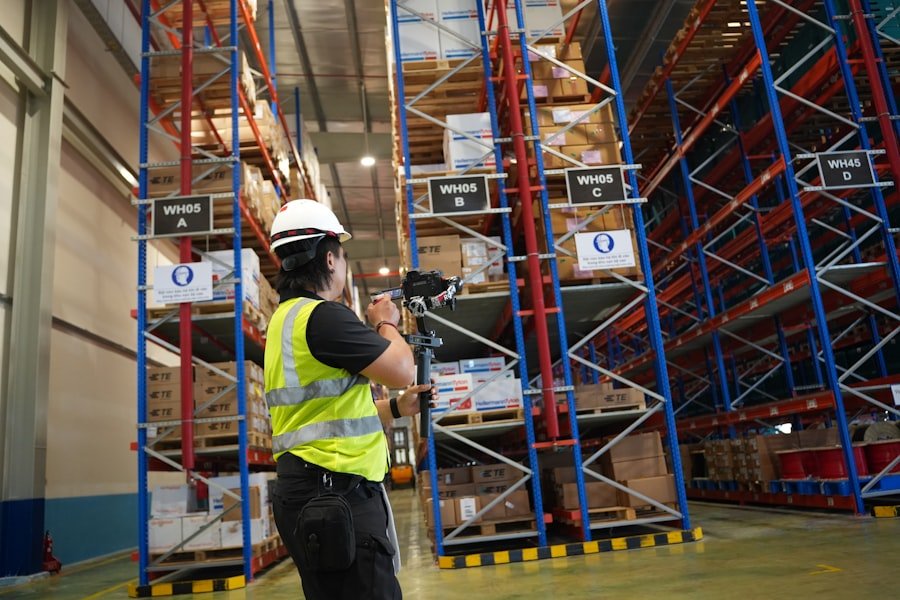
The daily pressures of the jobsite – tight deadlines, unexpected issues, and client expectations – make efficient procurement paramount.
Reducing Lead Time and Improving Scheduling
- Prioritize Local and Readily Available Materials: Whenever possible, source materials that are readily available from local distributors. This minimizes the risk of shipping delays and allows for quick replenishment if supplies are unexpectedly depleted.
- Communicate Lead Times Effectively: Maintain open communication with your suppliers regarding estimated lead times and any potential delays. Proactively inform your clients about material delivery schedules to manage expectations.
- Buffer Stock for Critical Items: For essential materials that have historically long lead times or are prone to stockouts, consider maintaining a small buffer stock. This adds a layer of security against unforeseen disruptions.
Minimizing Callback Incidents Through Quality Sourcing
- Source from Reputable Manufacturers and Distributors: While cost is a factor, never compromise on product quality. Choose manufacturers with a proven track record and distributors who stand behind the products they sell. This is a direct investment in reducing bathroom remodel callbacks.
- Invest in Product Training: Ensure your installation teams are thoroughly trained on the specific products you are using. This is often facilitated by manufacturers or distributors through training programs or informational materials. For instance, understanding the nuances of installing a specific type of glass shower enclosure or a complex acrylic tub and surround system is crucial.
- Thoroughly Vet Product Specifications: Before ordering, ensure you have a complete understanding of the product’s specifications, installation requirements, and any warranty limitations. Don’t hesitate to leverage the technical support offered by manufacturers or knowledgeable distributor representatives.
Optimizing Profit Margins Through Strategic Purchasing
- Perform Regular Cost Analysis: Periodically review the cost of materials from your different suppliers. Identify opportunities to negotiate better pricing or switch to more cost-effective alternatives without sacrificing quality.
- Utilize Distributor Programs: Take advantage of any loyalty programs, volume discounts, or early payment discounts offered by distributors or manufacturers.
- Bundle Material Costs into Project Estimates Accurately: Ensure your project estimates accurately reflect the true cost of materials, including any associated shipping, handling, or markup. Understanding the cost structure of acrylic wall systems, for example, and their installation implications, is vital for accurate pricing.
In the world of remodeling, understanding the roles of different players in the supply chain is crucial for success. For a deeper insight into this topic, you might find the article on our authors particularly enlightening, as it explores the nuances of working with various suppliers and the impact on project outcomes. By grasping the distinctions between manufacturers and distributors, remodelers can make more informed decisions that ultimately benefit their clients and their businesses. To read more about this, check out the article by visiting our authors.
The Future of Bath Remodel Procurement
| Aspect | Manufacturer | Distributor | What Remodelers Need to Know |
|---|---|---|---|
| Role | Produces and designs products | Stocks and supplies products from multiple manufacturers | Understand who controls product availability and customization options |
| Product Range | Limited to own brand/products | Offers a wide variety of brands and products | Distributors provide more choices; manufacturers offer specialized products |
| Pricing | Typically set pricing, may offer volume discounts | May offer competitive pricing and promotions | Compare pricing structures to optimize project budgets |
| Lead Time | Longer lead times due to production schedules | Shorter lead times with stocked inventory | Distributors can speed up project timelines with immediate availability |
| Customization | More options for custom orders and specifications | Limited customization, mostly stock items | Choose manufacturers for custom needs; distributors for standard products |
| Support & Service | Technical expertise and product knowledge | Logistics support and local availability | Leverage manufacturer expertise and distributor convenience |
| Minimum Order Quantity | Often higher minimums for custom or bulk orders | Lower minimums, suitable for smaller projects | Distributors are better for small-scale or varied projects |
The trend towards consolidation and specialization within the bath remodeling industry continues. Suppliers, whether manufacturers or distributors, are increasingly offering integrated solutions and streamlined digital platforms to meet the evolving needs of professional remodelers.
Emerging Trends and What They Mean for Remodelers
- Direct-to-Remodeler E-commerce: More manufacturers are establishing direct e-commerce channels. Remodelers need to evaluate whether these offer competitive pricing and viable logistical support compared to their existing distributor relationships.
- Specialized Dealer Networks: Companies are focusing on building strong, supportive dealer networks. These networks often provide not just products but also a suite of services designed to help remodelers grow their businesses, from lead generation to product promotion.
- Sustainability and Material Innovation: The demand for eco-friendly and innovative materials is growing. Remodelers who stay ahead of these trends by sourcing from suppliers offering sustainable options will gain a competitive edge. This includes exploring recycled content in acrylics or water-saving fixtures.
- Data-Driven Procurement: Predictive analytics and AI are beginning to influence inventory management and demand forecasting. Remodelers who embrace data in their procurement decisions will be better positioned to manage costs and avoid stockouts.
In the world of remodeling, understanding the roles of different players in the supply chain is crucial for success. For those looking to dive deeper into this topic, a related article titled Manufacturer vs Distributor: What Remodelers Need to Know provides valuable insights that can help remodelers make informed decisions. By exploring the distinctions between manufacturers and distributors, remodelers can better navigate their options and optimize their project outcomes.
Case Study Snippet: Optimizing an Acrylic Wall System Procurement
Consider a remodeler specializing in mid-range bathroom updates. They consistently use acrylic wall systems for their durability and ease of maintenance.
- Initial Approach: Sourcing from two different manufacturers directly, each offering a specific aesthetic. This led to separate invoicing, order tracking, and extended lead times for one product.
- Analysis: Lead times for Manufacturer A were often 2-3 weeks, causing scheduling conflicts. Manufacturer B’s pricing was slightly higher but offered faster delivery. Callback rates were minimal for both, indicating good product quality.
- Strategic Shift:
- Established a direct relationship with Manufacturer B for their preferred style, negotiating a slightly better rate due to consistent volume.
- Discovered that a well-stocked distributor, which included offerings like SokeSystems.com, carried Manufacturer A’s acrylic wall systems and had them readily available for next-day delivery.
- This allowed the remodeler to continue offering both options, ensuring faster project completion and client satisfaction, while streamlining the ordering process for Manufacturer A’s products through the distributor.
- The distributor’s broader catalog also allowed them to source complementary products, such as trim pieces and adhesives, in the same order, further reducing administrative overhead.
This illustrates how a tactical adjustment, integrating a distributor for speed and convenience with direct sourcing for specific needs, can lead to tangible operational improvements and better margin management for bathroom remodel projects.
Key Takeaways for Professional Bath Remodelers
- No Single Solution: A balanced approach, combining direct manufacturer relationships for specialized needs and distributor partnerships for breadth and speed, is often the most effective procurement strategy.
- Prioritize Efficiency: Streamlining your procurement process by consolidating orders, leveraging technology, and managing supplier relationships strategically will directly impact your operational efficiency and profitability.
- Quality Over Cost Exclusivity: While cost is a critical factor in determining profit margins for bathroom remodel projects, compromising on product quality to achieve a lower price point can lead to increased callbacks and customer dissatisfaction, ultimately harming your business reputation and bottom line.
- Embrace Dealer Networks: Explore dealer programs and online platforms that offer comprehensive product selections, simplify ordering, and provide valuable support.
- Continuous Evaluation: Regularly assess your supplier relationships and procurement strategies to ensure they remain optimal for your business objectives and market conditions.
The journey to successful bath remodels is paved with meticulous planning and strategic execution, and a significant part of that journey is navigating the complex, yet essential, relationships with your material suppliers. By understanding the distinct roles and benefits of manufacturers versus distributors, and by strategically integrating their offerings, professional remodelers can significantly enhance their operational efficiency, mitigate risks, and ultimately drive greater profitability.
Become a dealer for Soke Systems.
FAQs
What is the primary difference between a manufacturer and a distributor?
A manufacturer produces goods or products, often from raw materials, while a distributor acts as an intermediary that purchases products from manufacturers and sells them to retailers or end customers.
Why is it important for remodelers to understand the difference between manufacturers and distributors?
Understanding the difference helps remodelers make informed decisions about sourcing materials, pricing, availability, and lead times, which can impact project timelines and budgets.
Can remodelers buy directly from manufacturers?
In some cases, yes. However, many manufacturers sell primarily through distributors, who handle logistics, inventory, and customer service, making it easier for remodelers to access a wide range of products.
What are the advantages of working with a distributor for remodelers?
Distributors often offer a broader selection of products, faster delivery times, local inventory, and personalized service, which can simplify the purchasing process for remodelers.
How do pricing and warranties typically differ between manufacturers and distributors?
Manufacturers may offer better pricing on bulk orders and provide direct warranties on their products, while distributors may add a markup but often provide additional customer support and warranty assistance.